
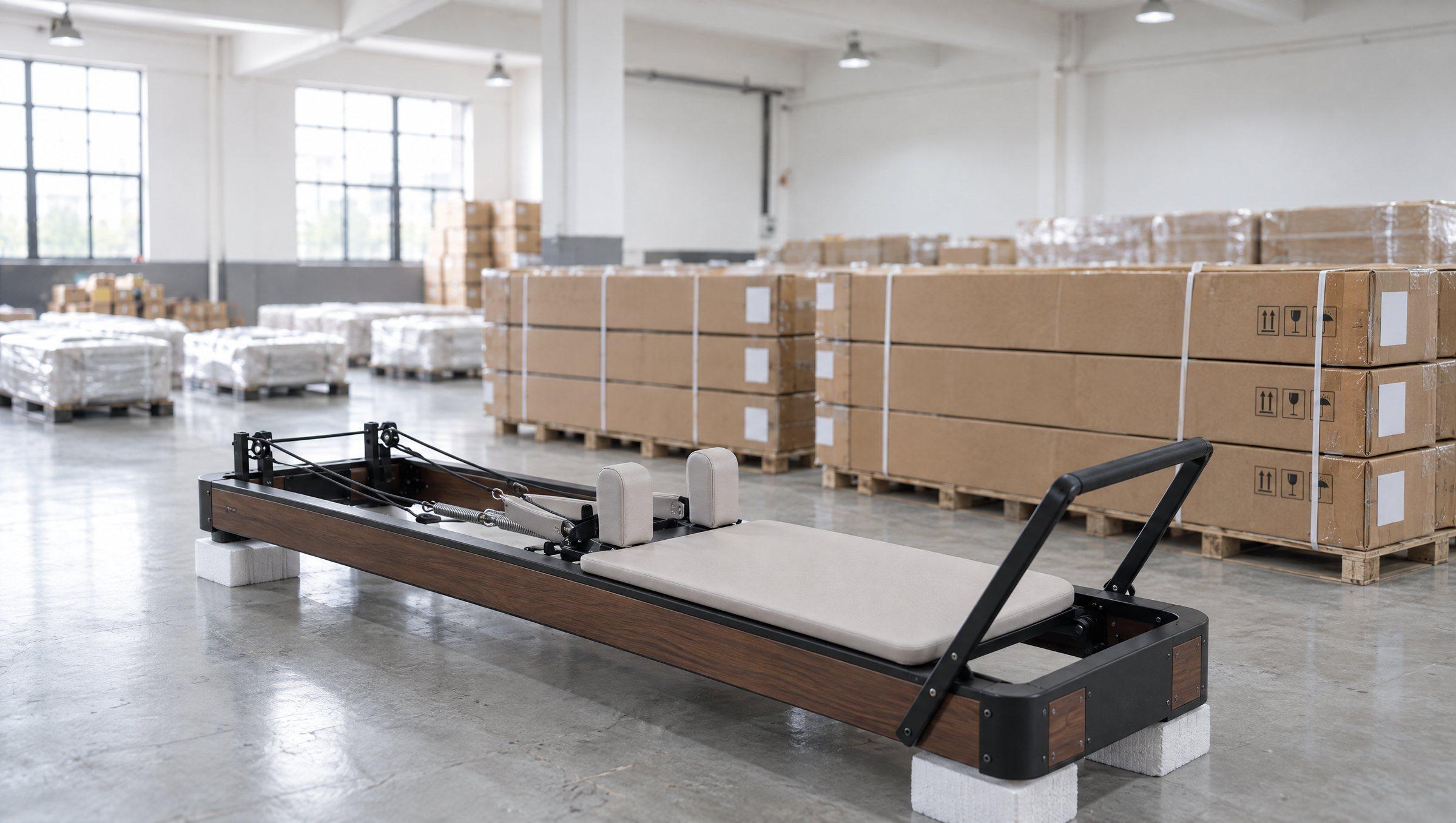
Pilates reformer manufacturing case study: from hand-built units to a production line
For fitness equipment brands with a validated reformer design that are still building every unit by hand, and can't grow that way. One such brand came to us. We sourced 148 components from 72 suppliers and built a jig-based assembly line with in-process QC. The brand dealt with one point of contact, and the line was delivered on time. The hard part wasn't the language. It was expectations. The brand's spec had to become instructions that a rail machinist, a spring maker and an upholstery shop would each prioritise correctly. 148 72 72 suppliers, 6 countries: China, Japan, Germany, Switzerland, Austria, US.
A validated design isn't a factory instruction
Hand-building worked for the first units because the builders knew which details mattered. That knowledge was in their hands, not on the drawings.
A factory works from what is written down, measured and paid for. If the spec doesn't say which tolerance is critical, the factory decides for you. So our first job was to write down what "right" means for every part.
Critical dimensions marked as critical, not buried in a general tolerance note
Finish and material standards set part by part, with an approved sample to check against
Samples approved before volume, so the first batch matches what you signed off
One reformer, two definitions of "good"
Your rails can pass every measurement while your pads arrive in the wrong shade. We checked both halves. Our bilingual delivery managers in Ningbo visit the factories in person. Before any order, we audit each factory's staff size, machines, process control, working conditions and management structure. That way you know who is actually making each part, whether it comes from China, Japan, Germany, Switzerland, Austria or the US.
- 01
Rails and springs: measured
Machined rails, springs and frames follow metal fabrication logic: tight tolerances and consistent spring behaviour. A bad part is a number out of spec, and a carriage that won't run true.
- 02
Upholstery: seen and felt
Pads come from a different kind of supplier and are judged on stitching, foam, fit and colour from batch to batch. A bad part is visual, and it often shows up only after assembly.
A jig-based assembly line, built from scratch
With parts coming in from 72 suppliers, the line has to absorb small variations instead of passing them on. Nothing gets built by feel.
Jigs set the standard
Fixtures hold the frame, rails and carriage in the same position every time, so the hundredth reformer goes together like the first.
Checks between stations
In-process QC runs along the whole line. A rail that doesn't seat, or a pad that doesn't fit the carriage, is stopped at that station.
Rework a part, not a reformer
Catch a mismatch mid-line and you fix one part. Catch it at final inspection and you take a whole reformer apart.
Heavy, awkward, and it still has to arrive perfect
A reformer is long and heavy, and its finished rails and upholstery mark easily. Even a well-built unit can arrive damaged if it's shipped like any other freight.
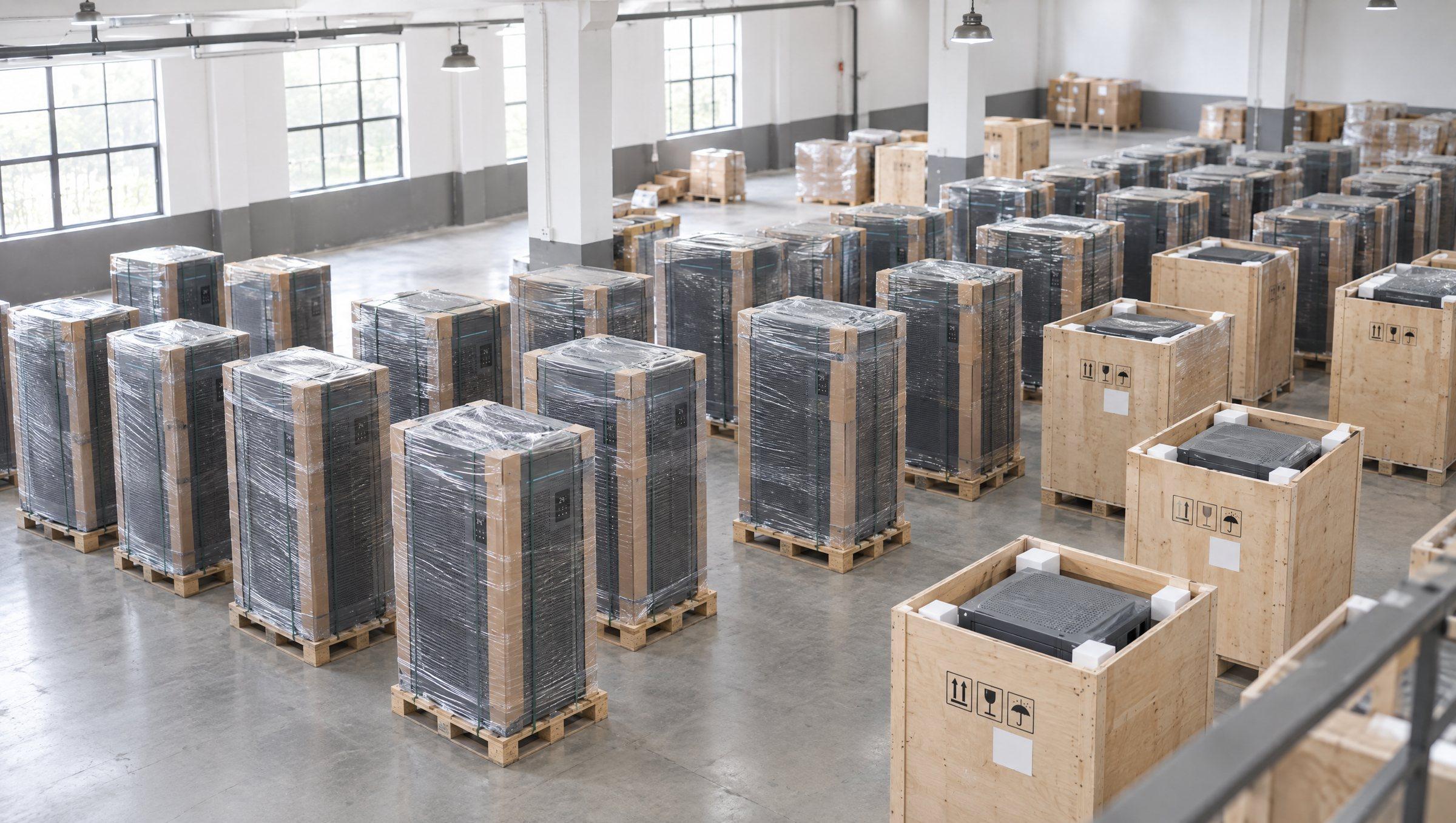
So we designed the packaging with the same care as the finish, and managed freight all the way to the brand's markets. Your customers unpack a reformer that is ready to use.
Need somewhere to hold stock between shipments? We also handle warehousing, inventory and global fulfilment.
Hand-built to volume: 148 parts, one reformer line
Worried about quality across dozens of suppliers, or your design leaking to a factory? Start here.
What does this pilates reformer manufacturing case study cover?
This pilates reformer manufacturing case study follows one fitness equipment brand from hand-built units to a production line. Sourcing Allies sourced frames, machined rails, springs, wheels and upholstery: 148 components from 72 suppliers in China, Japan, Germany, Switzerland, Austria and the US. We then set up jig-based assembly with in-process QC and managed packaging and worldwide freight. The line was delivered on time, and the brand had one point of contact throughout.
What is jig-based assembly and why use it for a reformer?
Jig-based assembly uses fixtures that hold each part in a set position while it is joined, so every unit is built the same way. On a pilates reformer, the frame, rails and carriage have to line up for the carriage to run true. Jigs build that alignment into the line instead of leaving it to each assembler's judgement. That is what makes it possible to go from hand-built units to volume.
How do you check quality on a product with 72 suppliers?
We check quality twice: at the supplier and on the line. Before any order, we audit each supplier's machines, process control, staff size and management structure. On the reformer line, in-process QC checks sit between assembly stations, so a mismatched rail or a badly fitting pad is caught at that station, before final assembly. Our delivery managers in Ningbo visit the factories in person.
Why is quality control different for rails and upholstery?
Machined rails and springs are judged on measurable tolerances, so a bad part is a number out of spec. Upholstery is judged on stitching, foam, fit and colour, so a bad part is usually visual and can vary from batch to batch. The two come from different kinds of supplier and fail in different ways. On a reformer, one partner has to set and hold both standards at the same time.
How is my reformer design protected when files go to factories?
Sourcing Allies signs an NDA on every project before any design files are shared. We contract through legal entities in Sweden, the US and China, so you deal with a Western-registered company you have legal recourse against, not an anonymous supplier. Before any files or orders go out, we also confirm that each supplier is the actual manufacturer and not a trading company.
Do you make pilates reformers for other fitness brands?
Yes. This project is one example of our pilates reformer work, and our pilates reformer page covers the category in more detail. Sourcing Allies has been sourcing and managing production in Asia since 2006. We have offices in Bellevue (USA), Djursholm (Sweden) and Ningbo (China), and have shipped over 1 million products to markets worldwide.
Your hands built the first reformers. Let a line build the rest.
Bring your validated design and your drawings. Together we'll work out what it takes to get it onto a production line: which parts need tighter specs, which suppliers fit, and where assembly and QC should sit.
Want the wider picture first? See our Pilates reformer manufacturing page. We sign an NDA on every project.


A drawing, a sketch or a paragraph is enough to start.