Sourcing from China can go right or wrong depending on a handful of early decisions. Here are the five that matter most, from finding the right supplier to catching quality problems before they become expensive.
Last updated: July 2026
There's a lot to consider when sourcing from China, and it's easy for first-time importers to get it wrong. Here are five things that actually make the difference between a smooth order and a costly one.
A Google, Bing or Yahoo search is the default option for many people seeking to source products from China. You can also go to online sourcing platforms such as Alibaba, Global Sources and Made in China, which connect buyers to suppliers in China.
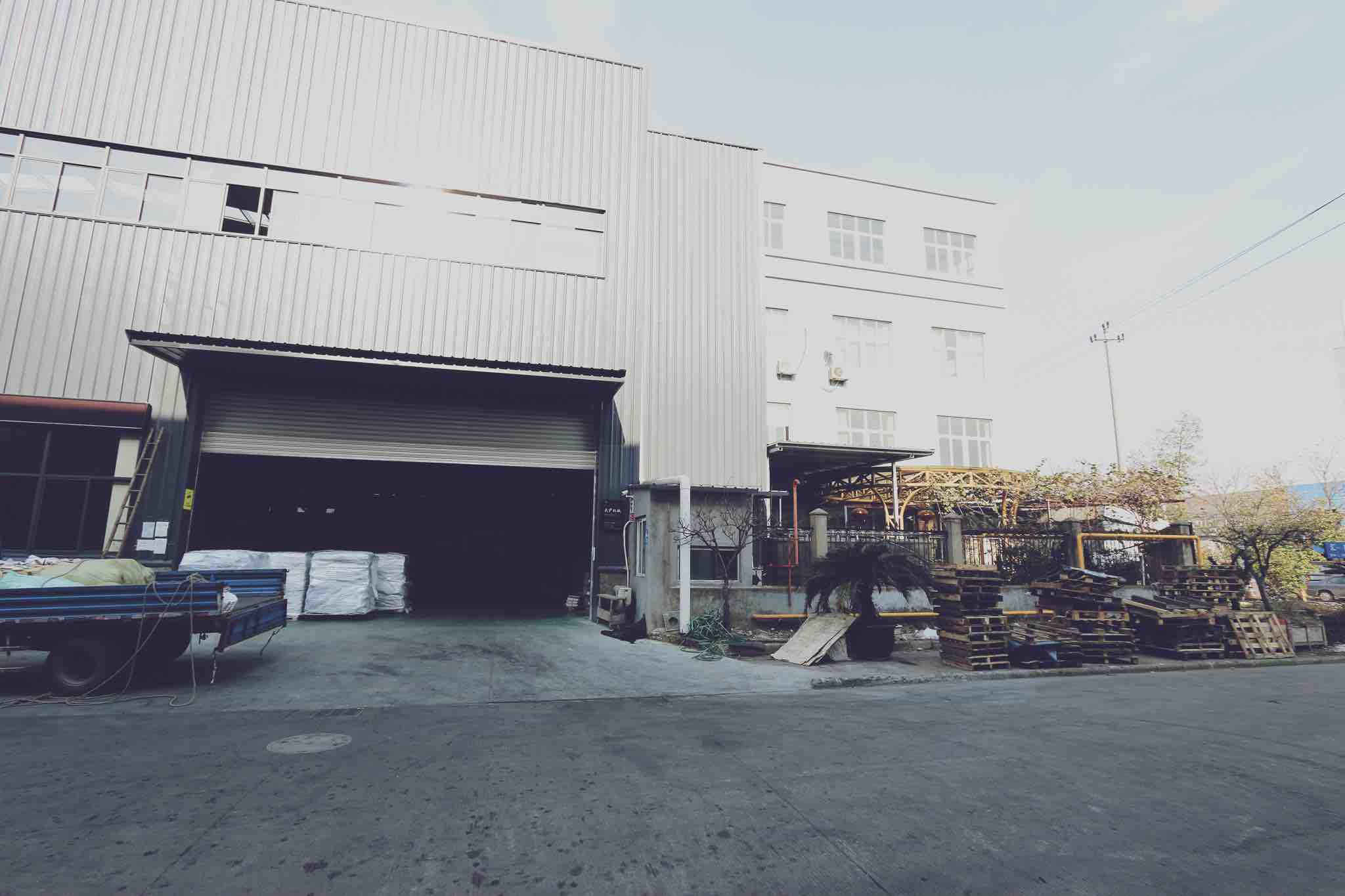
While all these resources are useful to draw up a shortlist, it is important to remember that many businesses thrown up by search engines and sourcing platforms may be resellers and not manufacturers. While sourcing from such middlemen may be ok if you are buying products to retail such as toys, clothes or cheap electronics, when you require products that must meet specific technical requirements such as die casts, metal stamping and plastic injection molding it is best to identify a manufacturer and source from them directly. Most importantly, this also reduces costs.
Online sourcing platforms such as Alibaba and Global Sources, also rate their suppliers, which could help in the shortlisting process. Alibaba, for instance, gives its suppliers “gold” ratings, which purchasers see as a sign of trustworthiness. However, it is important to remember that any supplier who pays Alibaba an annual fee for premium membership can get gold supplier status, which increases the vendor’s visibility on the site. That is therefore not exactly a very trustworthy reliability indicator.
Once you shortlist suppliers, you need to verify their credentials. While some obvious information is available online, you need to evaluate:
There are many ways you can do this. You could ask the factory for its audited accounts, check its Value Added Tax invoice, ask for product samples. You could also identify the factory’s Chinese name, its location and the local government office under whose jurisdiction it falls. This office will have the factory’s registration records, which you can use to verify the details they have provided to you.
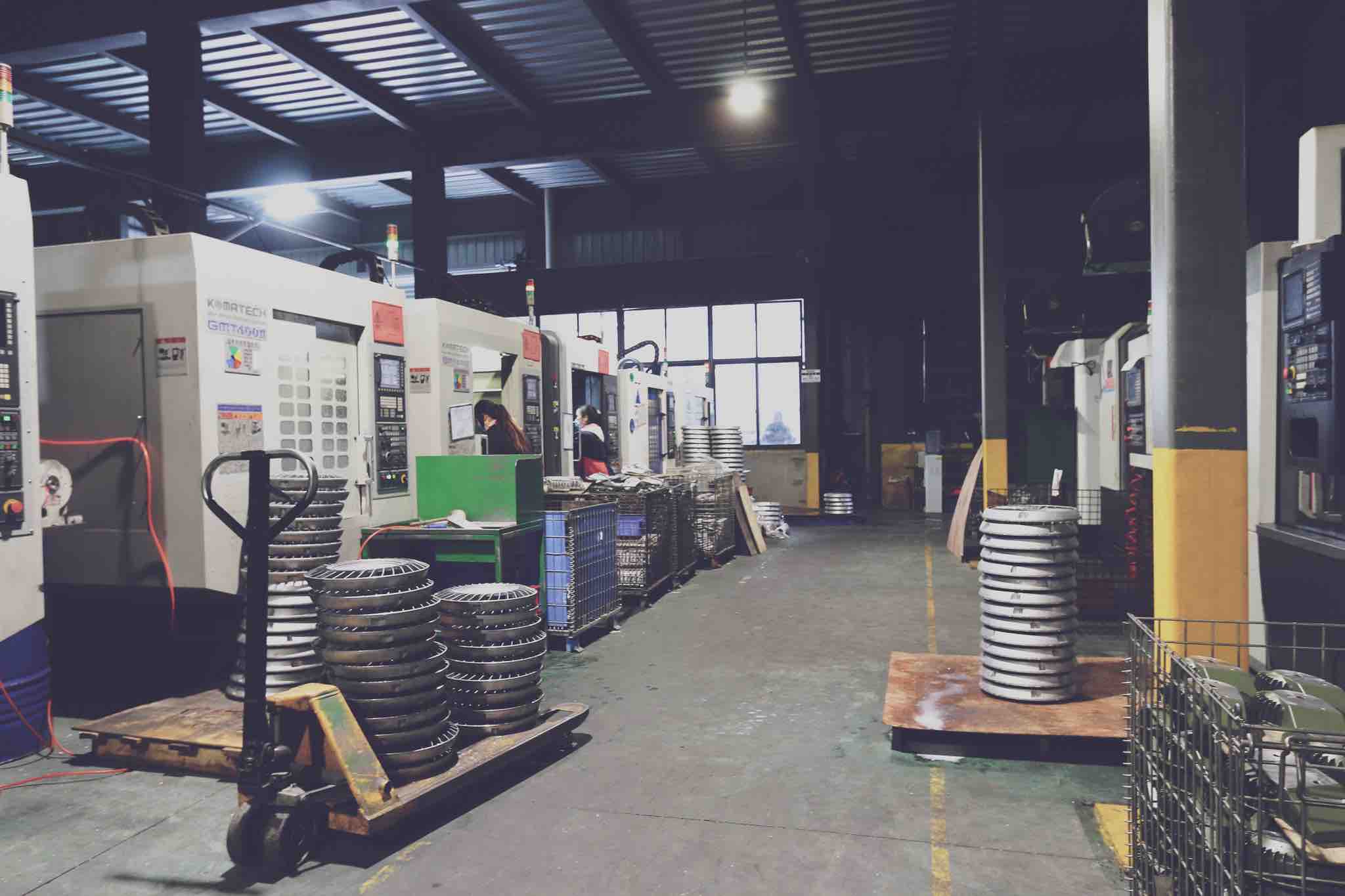
Why do purchasers across the world look at suppliers in China for their requirements? One of the primary reasons is low manufacturing costs, which even with the add-ons of shipping charges and duties ends up being cheaper for the purchaser than sourcing from elsewhere in the West. While negotiating with potential suppliers, it is useful to remember that all manufacturers generally have a price floor – the minimum cost to it takes to manufacture the product.
This brings us two points. One, if you have done your research about the product, the costs of raw material and market, you will have an idea of what this price is. Ideally, do not choose suppliers who offer you a price way below this. Two, purchasers with huge orders (the ideal purchasers from the viewpoint of the supplier) may attempt to beat down their chosen supplier’s price even further. Especially for consumer product packaging, you want to use high quality materials. No one want to buy premium products with crappy packaging, all due to an unreasonable price point that will result in corners being cut.
In both cases, remember if suppliers go below their minimum price thresholds, it WILL have an effect elsewhere. It could manifest either in a reduction in the quality of raw material or hurt the workers’ wages or conditions of work. It could also lead to the supplier bypassing steps in the quality control process. In the long run, all this affects not only your product but your reputation and could even have legal implications.
When sourcing in Asia, one must keep in mind that there is a language and culture gap. Though some bigger suppliers are likely to have English-speaking customer support, many of the problems between suppliers and purchasers can be traced back to misunderstandings in communication. Often “understanding what was said” is not the same as “understanding what was meant!”. None of this is deliberate, of course, but if purchasers keep this in mind, they can protect themselves from costly mistakes and delays.
The communication gap is also why all your requirements – from product specifications to quality and type of packaging to whether instruction manuals are required and their content – must be put in writing, clearly and in a detailed manner. Ideally, do not leave space for the supplier to make any assumptions, and encourage them to ask you questions if they are not clear about something.

While having a good manufacturing agreement is a good way to start your relationship with the supplier, regular quality control inspections are necessary so that you can ensure the quality of your product is up to your standards. This prevents costly mistakes in the future. Research has shown that problems caught later in the production process will always cost more than those caught earlier.
***
These five tips are a solid starting point if you're new to sourcing from China, but they only cover part of what actually happens once an order is placed. A manufacturing partner such as Sourcing Allies picks up from here — reviewing your supplier's capability against your specific product, holding the quality standards written into your contract, and managing everything from buying safely through platforms like Alibaba through to full production and delivery. If you're still deciding whether you need a partner at all, our guide to choosing a China sourcing agent walks through that decision.
Whether you're sourcing your first order from China or trying to make an existing supplier relationship more reliable, schedule a sourcing discussion and we'll talk through what's actually involved for your product. We've had boots on the ground in Ningbo since 2006.
Before you contact a single supplier, get your specifications in writing — materials, tolerances, packaging, and anything else that matters to how the product performs. Most early sourcing problems trace back to specifications that existed only in someone's head.
Cost depends more on product complexity and order volume than on which country you're sourcing from — tooling, materials, and labour all scale with the product. The bigger cost risk isn't the unit price; it's the cost of a batch going wrong because specifications weren't clear or quality wasn't checked until after the goods had shipped.
Most communication problems aren't really about language — they're about assumptions. Requirements sent verbally or in a single email leave room for a supplier to fill the gaps with their own judgment, which rarely matches what you actually meant. Putting specifications in writing, in detail, and confirming them before production starts prevents most of this.
Sourcing usually means finding and buying from a supplier that already makes something close to what you need. Manufacturing means building a product to your own specification from the ground up, which involves tooling, drawings review, and a different level of ongoing management. If your product needs custom tooling or assembly, our contract manufacturing process covers that side of things in more detail.
We sometimes share case studies, learnings and webinars of our experiences when sourcing and manufacturing in China and Asia.


Whether you have a full set of CAD drawings or are already in production, we can help.


